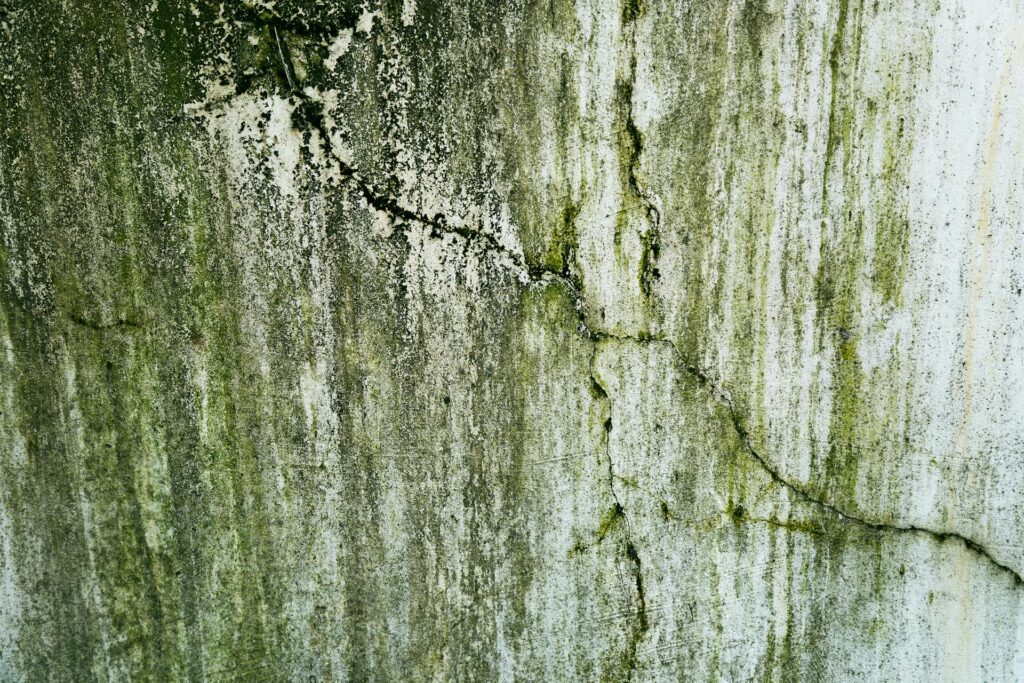
Mold remediation in Murfreesboro is the process of containing, removing, and preventing the recurrence of mold growth in your home. We connect Rutherford County homeowners with local remediation crews that follow IICRC S520 protocol for residential mold work — meaning containment, HEPA filtration, proper PPE, and drying the moisture source before reconstruction.
What Proper Mold Remediation Includes
- Inspection and scope — confirming the affected area, moisture source, and remediation boundary
- Containment — sealing off the work area with poly sheeting and creating negative air pressure with a HEPA-filtered air scrubber so spores do not migrate to clean parts of the home
- Removal — cutting out and bagging affected drywall, insulation, baseboard, carpet pad, or subfloor that is too damaged to clean
- HEPA cleaning — vacuuming framing and remaining surfaces with a true HEPA vacuum, then wiping with appropriate antimicrobial
- Drying — running dehumidifiers and air movers until moisture content in framing returns to normal (typically 14–18%)
- Clearance — visual inspection and, when needed, post-remediation air sampling to confirm spore counts have returned to normal
- Reconstruction — drywall replacement, paint, trim, and flooring once the area is dry and clean
Common Mold Sources in Middle Tennessee
- Vented crawl spaces with high summer humidity — the #1 source we see in older Murfreesboro homes
- HVAC condensate lines that backed up over a season and soaked a closet wall or hallway floor
- Slow plumbing leaks under sinks, behind toilets, or at washing machine connections
- Roof boots, valley flashing, or chimney flashing that cracked years ago and let water in slowly
- Bathroom shower pans or tile grout that have been failing without obvious leaking
- Window flashing that was never installed correctly during construction
- Sump pumps that failed during a storm and let groundwater into a basement
Why DIY Bleach Cleaning Usually Does Not Work
Bleach kills surface mold on hard, non-porous surfaces — tile, glass, sealed metal. It does not penetrate drywall, framing lumber, carpet, or insulation, where most residential mold lives. It also does not address the moisture source. The result is that visible mold disappears for a few days, then comes back, often more aggressively than before. Proper remediation removes the contaminated material rather than trying to clean it in place, and it dries the moisture source before any reconstruction.
Mold Remediation Cost in Murfreesboro
Cost varies widely based on the size of the affected area, the type of materials involved, and whether reconstruction is included. A small bathroom mold remediation typically runs a few hundred to a couple thousand dollars. A whole-crawl-space remediation with structural drying and encapsulation can run several thousand. Insurance may cover remediation when the moisture source was a sudden, accidental water event (like a burst pipe). Long-term humidity-driven mold is usually not covered. We help homeowners figure out which bucket their situation falls into.
Related Services
- Mold inspection — first step if you have not confirmed the scope
- Crawl space encapsulation in Murfreesboro — long-term fix if the crawl is the moisture source
- Water damage restoration — for active or recent water events
- Service areas across Rutherford County
- Black mold removal in Tennessee — for visible black/dark mold growth
- Pre-purchase mold inspection — for real-estate transactions
Request Mold Remediation
Tell us what you are seeing — odor, visible growth, recent leak, or a recent inspection report — and we will route the request to a local Murfreesboro mold remediation crew for a same-week quote.